
3.5 – Mediterranean Style Eating Pattern
Learning Objective
- Describe the Mediterranean Style Eating Pattern and the advantages of following this plan of eating.
The Mediterranean Style Eating Patterns is one of the patterns of eating recommended in the Dietary Guidelines for Americans.
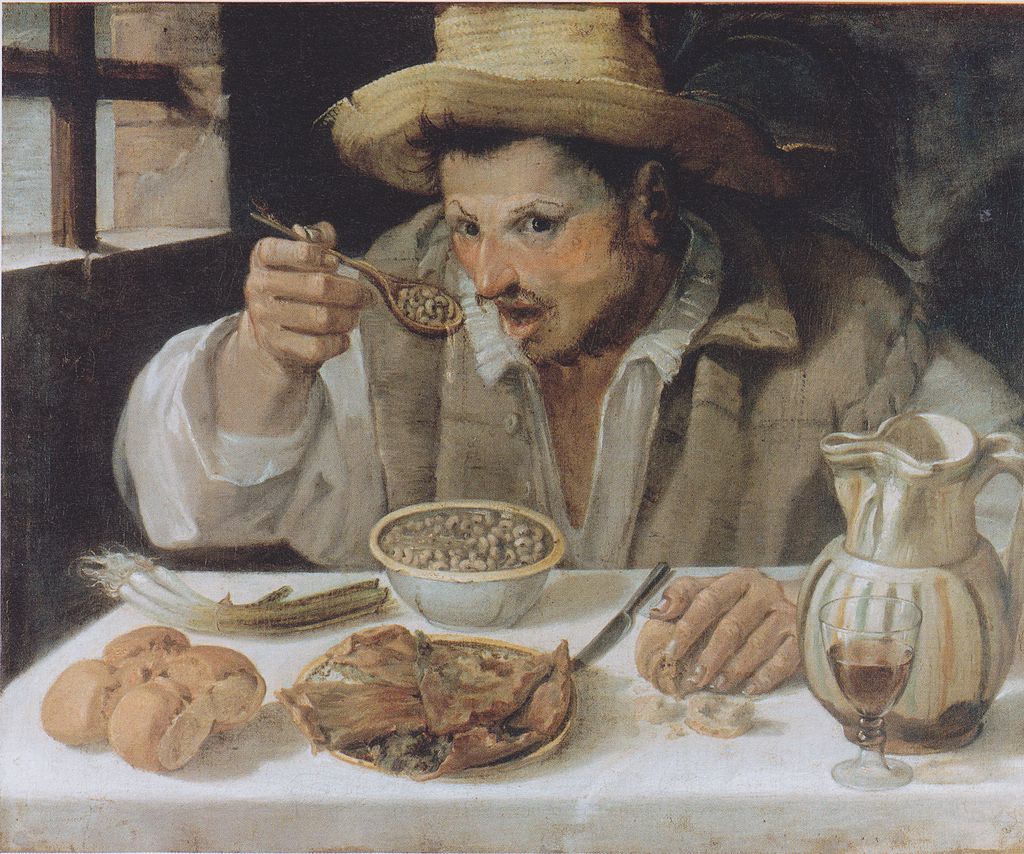
Dr. Ancel Keys of the University of Minnesota pointed out the correlation between cardiovascular disease and diet for the first time. In the 1950s, Ancel Keys noticed that the people living in the small towns around the Mediterranean Sea were healthier than their relatives who moved to New York City several decades earlier. Keys thought the differences could be due to the diet of these populations.His team of scientists conducted the “Seven Countries Study” (conducted in Finland, Holland, Italy, United States, Greece, Japan, and Yugoslavia), in order to document the relationship between lifestyles, nutrition and cardiovascular disease between different populations.
The populations that had adopted a diet based on the Mediterranean Diet had a very low rate of coronary heart disease. This was mainly due to the plentiful use of olive oil, bread, pasta, vegetables, herbs, garlic, red onions, and other foods of vegetable origin compared to a rather moderate use of meat (2). There have been thousands of research studies since the 1950’s examining the features of the Mediterranean pattern of eating-related to many chronic diseases. it is said that those who choose this plan of eating live longer and are generally more active. Studies have shown that the plan may also help with brain health, and decrease the incidence of depression and anxiety. It was rated the best overall diet of 2021 by U.S News.
If you would like to adopt this pattern of eating, you can start by following the guidelines below. there are more detailed directions regarding the number of foods to choose from daily within the 2020-2025 Dietary Guidelines for Americans Table A3-5.
- Base every meal on fruits, vegetables, whole grains (whole wheat bread, brown rice, quinoa, and bulgur), olive oil, beans, nuts, legumes (lentils, dried peas and beans), seeds, herbs, and spices.
- Eat sustainable fish at least twice a week.
- Eat moderate portions of cheese and yogurt daily to weekly.
- Eat moderate portions of poultry and eggs every two days or weekly.
- Eat red meat sparingly or limit it to three-ounce portions.
- Drink plenty of water each day, and drink wine in moderation—no more than one (5-ounce) glass a day for women, two glasses per day for men.
More information regarding this pattern of eating can be found at Oldwayspt.
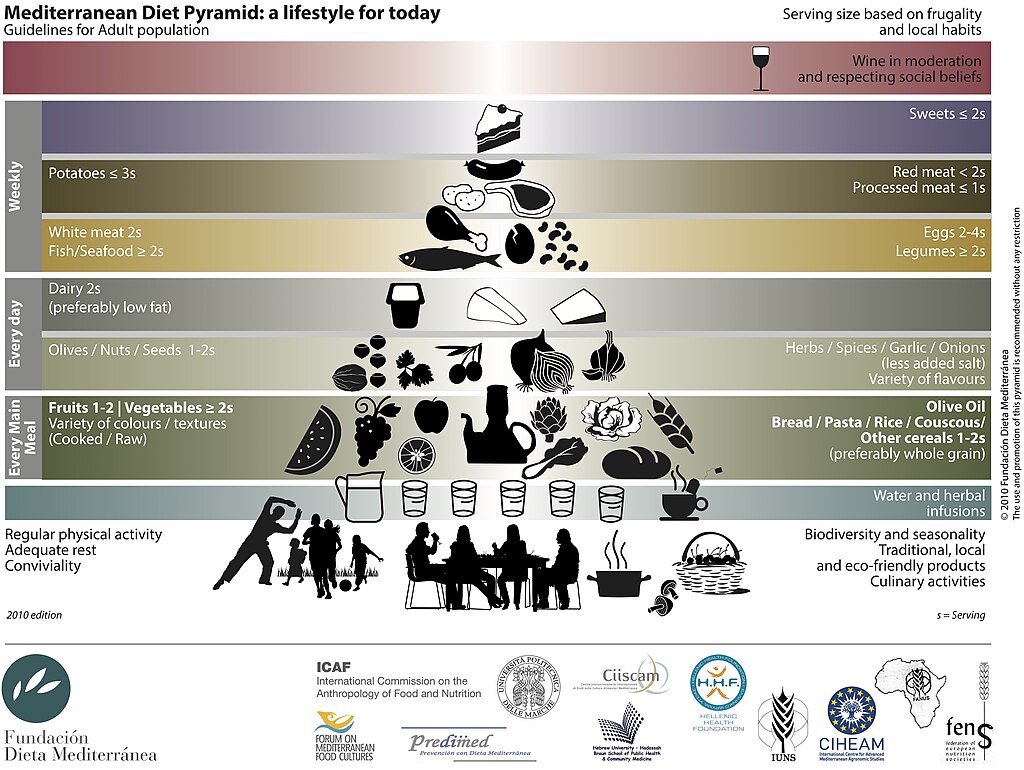
Figure 3.5.2 Mediterranean Diet Pyramid Used with permission.
Long Description:
A colorful illustration of the Mediterranean Diet Pyramid, labeled as a lifestyle guide for adults. The pyramid is divided into horizontal layers, each representing different food groups and consumption frequencies. At the top, a red section with a wine glass icon advises drinking wine in moderation. Below, various colored layers depict foods like sweets, red meat, white meat, eggs, dairy, olives, herbs, and vegetables, indicating their serving sizes per week or day. The base emphasizes daily consumption of fruits, vegetables, olive oil, grains, and water, with icons illustrating each category. Silhouettes at the bottom depict people engaging in physical activity and communal meals, underscoring social and physical activities as part of the diet. The background gradient transitions from wine red at the top to olive green at the bottom, visually representing the priority of different food types. Multiple organizational logos are placed at the bottom, including Fundación Dieta Mediterránea and others.
Transcribed Text:
Mediterranean Diet Pyramid: a lifestyle for today Guidelines for Adult population
Serving size based on frugality and local habits
Wine in moderation and respecting social beliefs
Weekly Potatoes ≤ 3s Sweets ≤ 2s Red meat < 2s Processed meat ≤ 1s White meat 2s Fish/Seafood ≥ 2s Eggs 2-4s Legumes ≥ 2s
Every day Dairy 2s (preferably low fat) Olives / Nuts / Seeds 1-2s Herbs / Spices / Garlic / Onions (less added salt) Variety of flavours
Every Main Meal Fruits 1-2 | Vegetables ≥ 2s Variety of colours / textures (Cooked / Raw) Olive Oil Bread / Pasta / Rice / Couscous/ Other cereals 1-2s (preferably whole grain)
Water and herbal infusions
Regular physical activity Adequate rest Conviviality
Biodiversity and seasonality Traditional, local and eco-friendly products Culinary activities
2010 edition
Fundación Dieta Mediterránea
ICAF International Commission on the Anthropology of Food and Nutrition
Forum on Mediterranean Food Cultures
Predimed Preveción con Dieta Mediterránea
Ciiscam
H.F FID Foundation
Hellenic Health Foundation
IUNS
CHED Mediterranean партнерство
FENs
The top of the pyramid lists meats and sweets. The next level down houses eggs, poultry, cheese, and yogurt. The level after that lists seafood and fish, the level down from that one on the pyramid lists fruits, vegetables, grains (mostly whole), and a few other items. At the base of the pyramid is a level that emphasizes the importance of physical activity
Key Takeaways
- The Mediterranean Plan bases every meal on fruits, vegetables, whole grains (whole wheat bread, brown rice, quinoa, and bulgur), olive oil, beans, nuts, legumes (lentils, dried peas, and beans), seeds, herbs, and spices. It includes fish twice a week, moderate portions of cheese and yogurt, and small amounts of red meat.
- This plan has been shown to reduce the risk of cardiovascular disease, cancer, depression, and anxiety.
Discussion Starters
1. If you wanted to follow the Mediterranean Plan, what changes could you make to your own plan of eating?